
Introduction
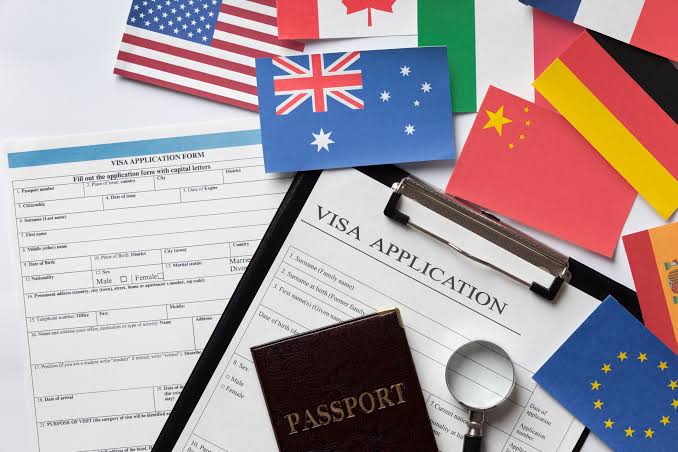
Applying for a visa for the first time can feel complicated. Many travelers worry about filling out forms incorrectly, preparing the wrong documents, or making mistakes that could delay their travel plans.
A visa application is not just a form submission. It is a process where immigration authorities review whether a traveler meets the requirements to enter a country for a specific purpose, such as tourism, business, study, or family visits.
The exact process depends on the destination country, your nationality, the type of visa you need, and the length of your planned stay. Some countries offer simple online applications, while others require appointments, interviews, or additional documentation.
The best way to improve your application experience is preparation. Understanding the steps, organizing documents early, and providing accurate information can help avoid many common problems.
This beginner-friendly guide explains how visa applications work, what documents are usually required, how to apply step by step, and practical tips for first-time travelers.
What Is a Visa and Why Is It Required?
A visa is an official authorization that allows a traveler to request entry into a foreign country under specific conditions.
A visa usually indicates:
- Who the traveler is.
- Why they are visiting.
- How long they may stay.
- What activities are permitted.
A visa does not always guarantee entry. Border officials typically make the final decision when a traveler arrives.
Countries use visa systems to manage immigration, security checks, and entry requirements.
Different Types of Visas Explained
Before applying, it is important to choose the correct visa category.
Common types include:
Tourist Visa
A tourist visa is generally used for:
- Holidays.
- Sightseeing.
- Short personal visits.
It usually does not allow employment or long-term activities.
Business Visa
A business visa may be required for:
- Meetings.
- Conferences.
- Professional events.
- Business discussions.
Rules vary, and some activities may require different permissions.
Student Visa
A student visa is typically required for people planning to study abroad.
Applicants may need:
- Admission documents.
- Proof of financial support.
- Educational records.
Work Visa
A work visa is generally required for employment abroad.
Requirements often include:
- Job offers.
- Employer documents.
- Additional approvals.
Family or Visit Visa
Some countries provide visas for visiting relatives or family members.
Applicants may need:
- Invitation letters.
- Relationship documents.
- Supporting information.
Step 1: Check Visa Requirements Before Applying
The first step is confirming whether you actually need a visa.
Requirements depend on:
- Your passport nationality.
- Destination country.
- Travel purpose.
- Length of stay.
Do not rely only on information from friends or old travel experiences. Visa rules change, and requirements may be different for each traveler.
Where to Check Requirements
Use reliable sources such as:
- Official immigration websites.
- Government embassy websites.
- Official visa application portals.
Checking the correct source prevents mistakes before you begin.
Step 2: Choose the Correct Visa Category
Selecting the wrong visa type is a common mistake among first-time applicants.
Before applying, consider:
- Why are you traveling?
- How long will you stay?
- What activities will you do?
- What documents can you provide?
For example, someone traveling for tourism should not apply under a category designed for business activities.
The visa category should accurately describe your reason for travel.
Step 3: Prepare Required Documents
Document requirements vary, but many visa applications ask for similar information.
Common documents include:
Valid Passport
Your passport usually needs:
- Enough validity remaining.
- Clear personal information pages.
- Available blank pages if required.
Check passport details carefully before submitting your application.
Visa Application Form
The application form usually requests:
- Personal information.
- Travel details.
- Passport information.
- Employment or education details.
Answer every question honestly and carefully.
Incorrect information can create delays or affect the outcome of your application.
Passport Photos
Many visa applications require recent photographs.
Requirements may include:
- Specific size.
- Plain background.
- Clear face visibility.
- Recent date.
Follow the official photo instructions because small differences may cause rejection.
Travel Information
You may need:
- Flight details.
- Accommodation information.
- Travel itinerary.
- Proof of onward travel.
Do not provide false bookings or inaccurate information.
Financial Documents
Some visa applications require proof that you can support yourself during your stay.
Possible documents include:
- Bank statements.
- Employment records.
- Income information.
Requirements differ by country and visa type.
Employment or Education Documents
Depending on your situation, you may need:
- Employment letters.
- Business documents.
- School enrollment information.
- Academic records.
These documents help explain your personal circumstances.
Invitation or Supporting Letters
Some visas require additional support from:
- Family members.
- Organizations.
- Employers.
- Educational institutions.
The requirements depend on the purpose of travel.
Step 4: Complete the Visa Application Form Carefully
Accuracy is one of the most important parts of the process.
Common mistakes include:
- Spelling errors.
- Incorrect passport numbers.
- Wrong travel dates.
- Missing information.
Before submitting:
- Review every answer.
- Compare details with your passport.
- Check dates carefully.
A simple mistake can slow down processing.
Step 5: Pay the Visa Application Fee
Most visa applications require a processing fee.
Before payment:
- Confirm the correct amount.
- Understand whether the fee is refundable.
- Keep payment confirmation.
Visa fees vary by country and visa category.
Paying the fee does not guarantee approval. It only covers the application processing process.
Step 6: Schedule an Appointment If Required
Some visa applications require an appointment.
Depending on the country, this may involve:
- Document submission.
- Biometric collection.
- Interview.
- Identity verification.
Prepare all required documents before attending.
Step 7: Attend the Visa Interview (If Required)
Not every visa requires an interview, but some do.
During an interview, officials may ask about:
- Purpose of travel.
- Travel plans.
- Employment.
- Financial situation.
- Previous travel history.
Interview Tips
Be:
- Honest.
- Clear.
- Consistent with your application.
- Prepared to explain your plans.
Avoid memorizing answers word-for-word. Natural and truthful responses are better.
Step 8: Track Your Visa Application
After submission, many applicants can monitor progress.
Keep:
- Application reference number.
- Payment receipt.
- Appointment confirmation.
- Emails from the visa authority.
Processing times vary depending on:
- Destination.
- Visa type.
- Application volume.
- Additional checks.
Step 9: Review Your Visa Approval Carefully
When your visa is approved, check the details.
Confirm:
- Your name.
- Passport number.
- Visa category.
- Validity dates.
- Entry conditions.
If you notice an error, contact the relevant authority before traveling.
Common Visa Application Mistakes First-Time Travelers Make
Applying Too Late
Visa processing can take longer than expected.
Start early to allow time for:
- Delays.
- Additional documents.
- Corrections.
Submitting Incomplete Documents
Missing paperwork is one of the most common reasons applications are delayed.
Create a checklist before submission.
Providing Incorrect Information
Never guess information.
If you are unsure about a question, verify the correct answer before submitting.
Choosing the Wrong Visa Type
The wrong category may create unnecessary problems.
Match your application with your real travel purpose.
Ignoring Document Requirements
A document that works for one country may not be accepted by another.
Always follow official instructions.
Booking Expensive Travel Too Early
Avoid making major non-refundable arrangements before receiving approval when possible.
Visa decisions are not always predictable.
How Long Does a Visa Application Take?
Processing time depends on:
- Country.
- Visa type.
- Applicant nationality.
- Application volume.
- Security checks.
Some applications may be completed quickly, while others require additional review.
Always check official processing information for your destination.
How Much Does a Visa Cost?
Visa fees vary based on:
- Destination country.
- Visa category.
- Processing speed.
- Applicant details.
Some countries charge different fees for different visa types.
Always confirm the latest fee information before applying.
Tips to Improve Your Visa Application Experience
Start Preparing Early
Early preparation gives you time to collect documents and fix problems.
Keep Information Consistent
Your:
- Application form.
- Supporting documents.
- Travel plans.
should contain matching information.
Organize Your Documents
Create a clear folder containing:
- Passport copies.
- Forms.
- Receipts.
- Supporting documents.
Be Honest
Providing false information can seriously affect your application.
Accurate information is always the safest approach.
Follow Instructions Exactly
Visa authorities provide specific requirements for a reason.
Carefully following instructions reduces avoidable mistakes.
What Should You Do If Your Visa Is Refused?
A refusal does not always mean you cannot travel in the future.
Possible steps include:
- Understanding the reason for refusal.
- Reviewing application mistakes.
- Improving missing documentation.
- Applying again if appropriate.
Avoid submitting the same incomplete application without addressing the issue.
Visa Preparation Checklist for First-Time Travelers
Personal Documents
✓ Valid passport
✓ Completed application form
✓ Passport photos
✓ Identification documents
Travel Information
✓ Travel itinerary
✓ Accommodation details
✓ Flight information if required
Financial Documents
✓ Bank information if required
✓ Proof of income if needed
Additional Documents
✓ Invitation letters
✓ Employment documents
✓ Educational documents
Final Review
✓ Information checked
✓ Fees paid
✓ Appointment completed if required
Frequently Asked Questions
How early should I apply for a visa?
The recommended timing depends on the destination. Applying early allows time for possible delays.
Can I apply for a visa without booking a flight?
Some countries allow this, while others may request travel details. Check the specific requirements.
Does a visa guarantee entry?
No. Final entry decisions are usually made by immigration officers at the border.
What happens if I make a mistake on my application?
The solution depends on the type of mistake and the country’s procedures. Some errors may be corrected, while others may require a new application.
Can someone else complete my visa application?
Someone may help you prepare information, but you are responsible for ensuring that all details are accurate.
Why are visas rejected?
Common reasons include incomplete documents, incorrect information, not meeting requirements, or insufficient supporting evidence.
Conclusion
Applying for a visa for the first time can seem overwhelming, but the process becomes easier when you understand the steps and prepare carefully.
The most important habits are simple: choose the correct visa type, collect accurate documents, complete forms carefully, and follow official instructions.
A successful visa application is not about providing the largest number of documents. It is about providing the right information clearly and honestly.
With proper preparation, first-time travelers can approach the visa process with greater confidence and avoid many common mistakes that cause delays.