
A successful trip usually begins long before reaching the airport. While many travelers focus on destinations, activities, and packing, the preparation stage often determines whether the journey starts smoothly or becomes stressful.
Missing a required document, forgetting a health requirement, or discovering a booking problem at the last minute can create unnecessary delays. Some travel problems are small inconveniences, while others can affect your ability to board a flight or enter a country.
A well-organized pre-travel checklist helps you handle important tasks in the right order. It gives you time to fix problems, confirm details, and avoid rushing before departure.
Travel requirements vary depending on your destination, nationality, travel purpose, and current regulations. Always verify information through official sources before traveling because rules can change.
This guide covers the essential documents, health preparations, booking details, financial arrangements, technology checks, and final steps to complete before leaving your country.
Why a Pre-Travel Checklist Matters
Travel involves many separate details that need to work together.
A simple mistake, such as:
- An expired passport.
- An incorrect booking name.
- Missing travel authorization.
- Forgotten medication.
- Unconfirmed accommodation.
can create problems during your journey.
A checklist helps you:
- Organize important information.
- Complete tasks before deadlines.
- Reduce last-minute stress.
- Prepare backup plans.
- Travel with greater confidence.
The goal is not to overpack or over-plan. It is to make sure essential things are ready before departure.
Section 1: Important Travel Documents to Prepare
Documents are the foundation of international travel. Before leaving, review every document carefully.
Check Your Passport
Your passport is the most important travel document.
Before departure, confirm:
- Your passport is not expired.
- Your name matches your travel bookings.
- The document is not damaged.
- It has enough validity for your destination requirements.
Many countries require passports to remain valid for a certain period after arrival.
Helpful Preparation Tips
Before traveling:
- Make a digital copy of your passport.
- Keep a separate backup copy.
- Store emergency contact information safely.
Avoid carrying your passport casually or leaving copies in unsecured locations.
Confirm Visa or Travel Authorization Requirements
Depending on your destination, you may need:
- A traditional visa.
- An electronic visa (eVisa).
- An electronic travel authorization.
- No visa for short visits.
Check:
- Whether your nationality requires permission.
- The allowed length of stay.
- The purpose of travel allowed.
- Entry conditions.
Do not assume rules are the same as a previous trip.
Print or Save Your Travel Documents
Even when digital documents are accepted, having backups can be useful.
Prepare copies of:
- Passport.
- Visa approval.
- Flight confirmation.
- Hotel reservation.
- Travel insurance details.
- Important contact information.
A good approach is keeping:
- Digital copies on your phone.
- Secure cloud storage if available.
- Printed copies when practical.
Check Your Flight Booking Details
Review your airline reservation carefully.
Confirm:
- Passenger name spelling.
- Travel dates.
- Departure time.
- Arrival time.
- Airport locations.
- Baggage allowance.
A small booking mistake can become difficult to fix close to departure.
Confirm Accommodation Details
Before traveling, verify your accommodation.
Check:
- Reservation dates.
- Address.
- Check-in instructions.
- Contact information.
- Payment status.
Save the accommodation details where you can access them easily.
Prepare Additional Travel Documents
Some trips require extra paperwork.
Possible documents include:
- Invitation letters.
- Proof of onward travel.
- Financial documents.
- Business documents.
- Student documents.
Requirements depend on the destination and reason for travel.
Only prepare documents that are actually required or useful for your situation.
Section 2: Health Preparation Before Travel
Health preparation is an important part of responsible travel planning.
Review Vaccination and Health Requirements
Some destinations have specific health requirements.
Before traveling, check:
- Required vaccinations.
- Health certificates.
- Entry health rules.
Requirements may vary based on:
- Destination.
- Travel history.
- Current regulations.
Use reliable health and government sources for current information.
Prepare Your Medications
If you take regular medication, prepare before departure.
Helpful steps:
- Pack enough medication for your trip.
- Keep medicine in original packaging.
- Carry prescriptions or supporting documents when appropriate.
Do not place essential medication only in checked luggage.
Keep important medicines accessible during travel.
Pack a Basic Health Kit
A personal health kit can be useful.
Depending on your needs, it may include:
- Basic first-aid supplies.
- Personal care items.
- Doctor-recommended medications.
- Travel-related health items.
The contents depend on your destination and personal requirements.
Consider Travel Insurance
Travel insurance may provide financial protection for certain unexpected situations.
Review:
- Medical coverage.
- Emergency assistance.
- Trip cancellation coverage.
- Policy exclusions.
Do not assume every insurance plan covers every situation.
Read the policy details before purchasing.
Check Personal Health Needs
Before traveling, consider:
- Access to necessary healthcare.
- Prescription availability.
- Travel conditions.
- Activities you plan to do.
People with specific health needs should plan carefully and seek appropriate professional advice when necessary.
Section 3: Booking Details to Confirm
Bookings are another major part of travel preparation.
Review Your Flight Schedule
Airline schedules can change.
Before departure:
- Check your flight status.
- Confirm departure terminal.
- Review check-in times.
- Understand baggage rules.
Checking again shortly before travel can help you notice updates.
Understand Airport Requirements
Different airports may have different procedures.
Prepare for:
- Security checks.
- Check-in deadlines.
- Document verification.
- Transfer procedures.
Arriving early gives you extra time to handle unexpected situations.
Confirm Transportation Plans
Think about how you will reach:
- The airport before departure.
- Your accommodation after arrival.
- Important locations during your trip.
Research:
- Public transportation.
- Taxi options.
- Local travel methods.
Having a basic transportation plan reduces confusion after arrival.
Review Hotel and Activity Reservations
If you booked:
- Tours.
- Events.
- Attractions.
- Transportation.
Confirm:
- Dates.
- Times.
- Meeting locations.
- Cancellation policies.
Keep confirmation details organized.
Section 4: Money and Payment Preparation
Financial preparation can prevent problems during travel.
Check Your Payment Methods
Before leaving, confirm:
- Your bank cards work internationally.
- Your payment methods are available.
- You understand possible fees.
Some travelers carry a backup payment option in case one method fails.
Prepare Emergency Funds
Unexpected expenses can happen.
Consider having access to:
- Emergency money.
- Backup payment methods.
- Important financial contacts.
The amount depends on your destination and personal circumstances.
Notify Your Bank When Necessary
Some banks monitor unusual transactions.
Depending on your bank, you may need to:
- Enable international payments.
- Update travel settings.
- Check card security features.
Section 5: Technology Preparation
Technology makes modern travel easier, but it requires preparation.
Check Your Phone
Before departure:
- Charge your device.
- Install important travel apps.
- Update software.
- Check roaming options.
Useful apps may include:
- Airline apps.
- Maps.
- Translation tools.
- Accommodation apps.
Prepare Chargers and Accessories
Pack:
- Phone charger.
- Appropriate adapters.
- Power banks if allowed.
Check destination electrical standards before traveling.
Save Important Information Offline
Internet access may not always be available.
Save:
- Addresses.
- Booking confirmations.
- Emergency contacts.
- Travel documents.
Offline access can be helpful during airport transfers or arrival.
Section 6: Packing Preparation
Packing should focus on useful items rather than taking everything possible.
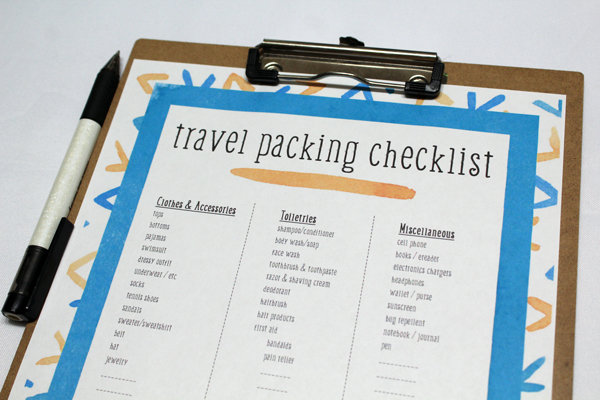
Create a Packing List
A basic list may include:
- Clothing.
- Travel documents.
- Personal care items.
- Electronics.
- Medication.
- Weather-appropriate items.
A checklist reduces the chance of forgetting essentials.
Check Airline Baggage Rules
Before packing:
- Review weight limits.
- Check restricted items.
- Understand carry-on rules.
Avoid packing prohibited items that may cause delays at security.
Keep Essential Items in Carry-On Bags
Important items usually include:
- Passport.
- Travel documents.
- Medication.
- Electronics.
- Valuable items.
Do not place critical items only in checked luggage.
Section 7: Final Checks Before Leaving Home
The last few days before travel are important.
Recheck All Documents
Confirm:
✓ Passport ready
✓ Visa or travel authorization ready
✓ Insurance details available
✓ Booking confirmations saved
Confirm Travel Times
Check:
- Flight departure time.
- Transportation arrangements.
- Airport arrival time.
Schedules can change.
Secure Your Home Before Leaving
Before departure:
- Lock doors and windows.
- Check appliances.
- Arrange care for pets if needed.
- Inform trusted people if appropriate.
Home preparation is part of travel preparation.
Common Pre-Travel Mistakes to Avoid
Leaving Preparation Until the Last Day
Some problems require time to fix.
Forgetting Transit Requirements
Connecting flights may involve different rules.
Not Checking Name Accuracy
Your travel documents should match your bookings.
Packing Without Checking Rules
Restricted items can cause delays.
Relying Only on Internet Access
Keep important information available offline.
A Simple One-Week Before Travel Checklist
Documents
✓ Passport checked
✓ Visa confirmed
✓ Bookings reviewed
✓ Copies saved
Health
✓ Medication prepared
✓ Health requirements checked
✓ Insurance reviewed
Money
✓ Cards ready
✓ Emergency funds available
Technology
✓ Phone prepared
✓ Chargers packed
✓ Important apps installed
Frequently Asked Questions
How early should I start preparing for a trip?
Preparation time depends on the destination. International trips usually require earlier planning because visas and documents may take time.
Should I carry printed travel documents?
Digital documents may be accepted in many situations, but printed backups can be useful if technology problems occur.
What documents should I always carry when traveling internationally?
A valid passport, required visa or authorization, and important travel confirmations are usually essential.
Should I buy travel insurance before booking flights?
Timing depends on the policy and benefits available. Review the insurance terms before deciding.
What is the most commonly forgotten travel item?
Travelers often forget small but important items such as chargers, medication, documents, or adapters.
Conclusion
A complete pre-travel checklist helps turn a stressful preparation process into an organized routine. Checking documents, health requirements, bookings, finances, and technology before departure can prevent many common travel problems.
The most effective preparation is not complicated. Start early, use reliable information sources, keep important documents organized, and review details before leaving.
A few minutes of careful planning can make the difference between a difficult travel experience and a smooth journey. Preparation gives you more time to enjoy your destination and less time solving avoidable problems.