
Introduction
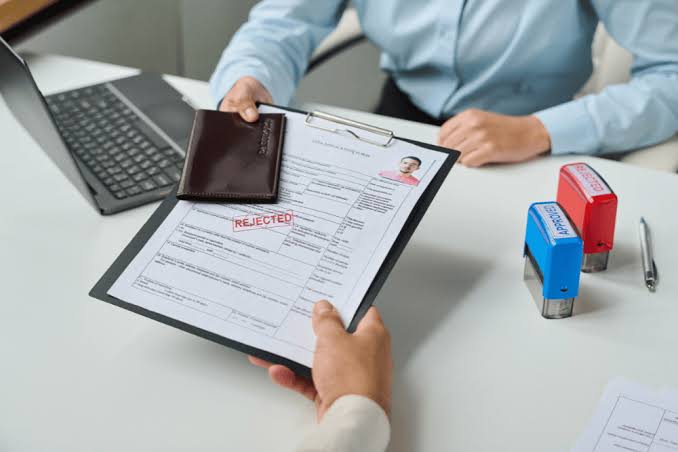
Receiving a visa rejection can be disappointing, especially after spending time collecting documents, completing forms, and planning your trip. Many applicants wonder what went wrong and whether they made a serious mistake.
A visa refusal does not always mean a traveler is permanently unable to visit a country. In many cases, applications are rejected because requirements were not clearly met, information was incomplete, documents were insufficient, or the applicant did not provide enough evidence to support their travel plans.
Every country has its own immigration rules and decision-making process. Visa officers review applications based on factors such as travel purpose, financial situation, supporting documents, and whether the applicant meets entry requirements.
Understanding common reasons for rejection can help first-time and experienced travelers prepare stronger applications.
This guide explains why visa applications are rejected, common mistakes applicants make, how to improve preparation, and what steps to take after a refusal.
Why Do Visa Applications Get Rejected?
Visa applications are usually rejected when immigration authorities determine that the applicant has not demonstrated that they meet the required conditions.
Common reasons include:
- Incomplete documentation.
- Incorrect information.
- Weak proof of travel purpose.
- Financial concerns.
- Failure to meet eligibility requirements.
- Inconsistencies in the application.
A rejection decision depends on the rules of the specific country and visa category.
Reason 1: Incomplete or Missing Documents
One of the most common reasons for visa delays or refusals is submitting incomplete documentation.
Visa applications often require several supporting documents, such as:
- Passport copies.
- Application forms.
- Financial records.
- Employment documents.
- Travel information.
- Accommodation details.
Missing even one important document may make it difficult for officials to evaluate the application.
How to Prepare Better
Before submitting:
- Create a document checklist.
- Compare your documents with official requirements.
- Organize files clearly.
- Check expiration dates.
Do not assume that extra documents can always be added later. Some visa systems have strict submission rules.
Reason 2: Incorrect Information on the Application Form
Accuracy is extremely important in visa applications.
Common mistakes include:
- Wrong passport numbers.
- Incorrect dates.
- Spelling differences.
- Incorrect employment details.
- Mistakes in travel history.
Even accidental errors can create questions about the reliability of the application.
How to Prepare Better
Before submitting:
- Review every answer carefully.
- Compare information with your passport.
- Check dates and names.
- Make sure supporting documents match your application.
A simple final review can prevent avoidable problems.
Reason 3: Weak Proof of Travel Purpose
Visa officers need to understand why you are traveling.
A weak explanation may create doubts about whether the applicant meets visa conditions.
Examples of travel purposes include:
- Tourism.
- Business.
- Study.
- Family visits.
- Medical treatment.
How to Prepare Better
Provide clear supporting evidence.
Examples:
For tourism:
- Travel itinerary.
- Accommodation information.
- Planned activities.
For business:
- Business invitations.
- Meeting details.
- Company information.
For study:
- Admission documents.
- Educational records.
Your documents should support the reason stated in your application.
Reason 4: Insufficient Financial Evidence
Many countries require applicants to show that they can support themselves during their stay.
Financial concerns may arise when:
- Income information is unclear.
- Bank records do not support the trip.
- Expenses appear unrealistic.
- Documents are incomplete.
The exact financial requirements depend on the destination and visa type.
How to Prepare Better
Prepare clear financial documents when required, such as:
- Bank statements.
- Employment proof.
- Income records.
- Sponsorship documents.
The goal is showing that your travel plans are realistic and financially supported.
Reason 5: Concerns About Returning Home
Some visa categories require applicants to demonstrate reasons they will return after their visit.
Authorities may consider factors such as:
- Employment.
- Education.
- Family responsibilities.
- Legal commitments.
- Personal circumstances.
Requirements vary by country.
How to Prepare Better
Provide accurate evidence that explains your situation.
Examples may include:
- Employment confirmation.
- Educational enrollment.
- Business responsibilities.
Do not exaggerate information. Honest documentation is more valuable than unnecessary claims.
Reason 6: Choosing the Wrong Visa Category
Applying under the wrong visa type can lead to refusal.
Examples:
- Applying for a tourist visa when planning to work.
- Using a short-term visa for long-term study.
- Choosing a category that does not match your purpose.
How to Prepare Better
Before applying:
- Understand different visa categories.
- Match your application to your actual plans.
- Review official requirements.
The correct visa type is the foundation of a successful application.
Reason 7: Inconsistencies Between Documents
Visa officers compare information across your application.
Problems may appear when:
- Dates do not match.
- Names are different.
- Travel plans change without explanation.
- Supporting documents contradict your form.
How to Prepare Better
Review your complete application as one package.
Check:
- Personal information.
- Travel dates.
- Employment details.
- Financial information.
Every document should tell the same story.
Reason 8: Poor Interview Preparation
Some visa applications require interviews.
Applicants may struggle when they:
- Cannot explain their travel purpose.
- Give unclear answers.
- Provide information different from their application.
How to Prepare Better
Prepare by reviewing:
- Your travel plans.
- Your documents.
- Your reason for visiting.
- Basic details about your trip.
During the interview:
- Answer honestly.
- Keep responses clear.
- Avoid unnecessary explanations.
The purpose of an interview is usually to verify information, not to test memorized answers.
Reason 9: Previous Immigration Problems
Past immigration issues may affect future applications.
Examples can include:
- Overstaying a previous visa.
- Violating immigration rules.
- Providing false information in earlier applications.
Each case depends on the country’s laws and review process.
How to Prepare Better
Be honest about previous travel history.
Trying to hide information can create bigger problems.
Reason 10: Applying Without Understanding Requirements
Some applicants submit applications based on assumptions.
Common mistakes include:
- Using outdated information.
- Following advice from unofficial sources.
- Ignoring specific country rules.
How to Prepare Better
Always check:
- Official immigration websites.
- Embassy information.
- Current application instructions.
Requirements can change over time.
Common Mistakes That Reduce Visa Approval Chances
Submitting Fake or Altered Documents
Providing false information can lead to serious consequences.
Always submit genuine documents.
Providing Too Much Unnecessary Information
More documents do not always mean a stronger application.
Provide relevant evidence that supports your situation.
Making Last-Minute Applications
Rushed applications often contain avoidable mistakes.
Start preparation early.
Copying Someone Else’s Application Strategy
Every traveler has different circumstances.
A document that helps one applicant may not apply to another.
How to Prepare a Stronger Visa Application
Step 1: Research Requirements Early
Start by understanding:
- Visa category.
- Required documents.
- Processing times.
- Application procedures.
Early preparation gives you time to solve problems.
Step 2: Build a Clear Document Checklist
Create categories:
Personal Documents
- Passport.
- Identification documents.
- Photos.
Travel Documents
- Itinerary.
- Accommodation details.
- Invitations if required.
Financial Documents
- Income proof.
- Bank information when required.
Supporting Documents
- Employment records.
- Education documents.
- Other relevant evidence.
Step 3: Make Your Application Consistent
Review your application from the perspective of a reviewer.
Ask:
- Does my travel purpose make sense?
- Do my documents support my statements?
- Are my dates and details consistent?
Step 4: Explain Your Situation Clearly
A strong application is easy to understand.
Avoid confusing explanations.
Your documents should clearly show:
- Who you are.
- Why you are traveling.
- How you will support yourself.
- Why your plans match the visa category.
What to Do After a Visa Rejection
A refusal does not always mean the end of your travel plans.
Possible steps include:
Understand the Reason
Read the refusal explanation carefully.
Identify:
- Missing information.
- Weak evidence.
- Incorrect assumptions.
Improve the Application
Before applying again:
- Fix document problems.
- Address concerns.
- Provide stronger evidence where appropriate.
Submitting the same application again without changes may not solve the problem.
Consider Professional Advice When Needed
Some complex situations may benefit from guidance from qualified immigration professionals.
Examples:
- Complicated immigration history.
- Multiple refusals.
- Unclear eligibility.
How Long Should You Wait Before Reapplying?
There is no universal waiting period for all countries.
The right approach depends on:
- The reason for refusal.
- Country rules.
- Whether your circumstances have changed.
Focus on improving the application rather than applying immediately with the same information.
Visa Rejection Prevention Checklist
Before submission:
✓ Correct visa category selected
✓ Application completed accurately
✓ Passport details verified
✓ Documents organized
✓ Financial information prepared if required
✓ Travel purpose clearly explained
✓ Information matches across documents
✓ Official requirements reviewed
Frequently Asked Questions
Does a visa rejection mean I cannot travel?
No. A rejection affects that specific application. Future applications may be possible depending on the situation.
Can I apply again after a visa refusal?
In many cases, yes. However, improving the application and addressing the refusal reason is important.
What is the biggest reason visas are rejected?
There is no single reason for all countries, but incomplete documents, incorrect information, and failure to meet requirements are common issues.
Should I hide a previous visa refusal?
No. Always answer questions honestly. Providing false information can create additional problems.
Can a travel agent guarantee visa approval?
No one can guarantee approval. Visa decisions are made by immigration authorities.
Are visa decisions based only on documents?
Requirements vary. Some applications involve interviews or additional review.
Conclusion
Visa rejection often happens because an application does not clearly demonstrate that the traveler meets the required conditions. The problem is not always a major mistake; sometimes small issues, missing evidence, or unclear information can affect the decision.
The best preparation strategy is careful and honest. Choose the correct visa category, provide accurate documents, explain your travel purpose clearly, and review every detail before submission.
A stronger visa application is built on preparation, consistency, and reliable information. Taking time to understand requirements before applying can reduce avoidable mistakes and make the process smoother for first-time travelers.