
Introduction
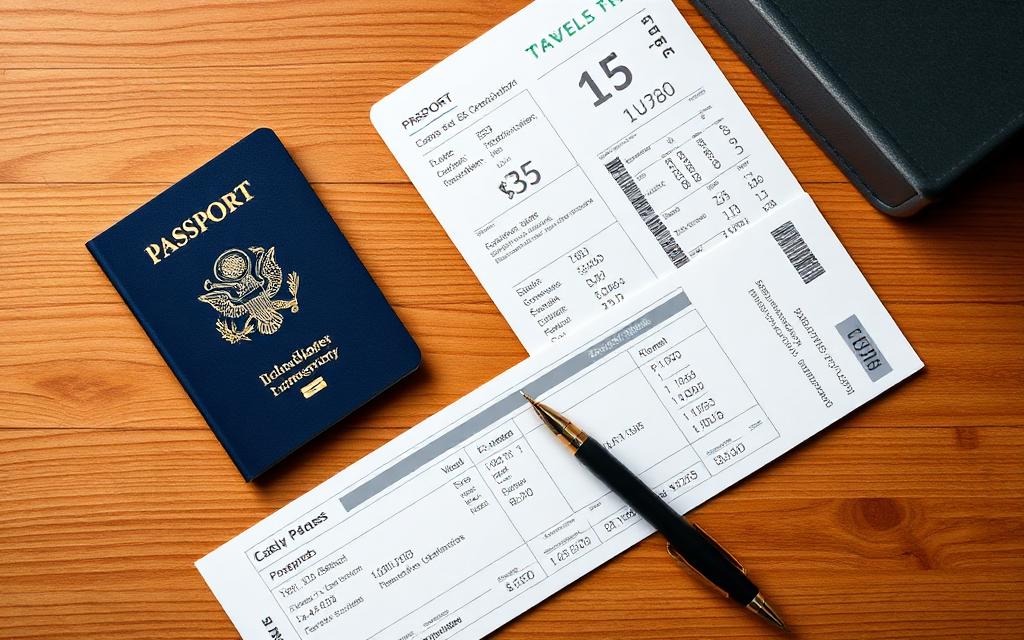
International travel has become more accessible than ever, but it also requires careful preparation. Every country has its own entry rules, documentation requirements, customs regulations, and health policies. Missing even a single required document can result in denied boarding, delayed travel, or refusal of entry at your destination.
Whether you’re traveling for a vacation, business meeting, study program, or family visit, understanding the latest international travel requirements helps ensure a smooth journey. Proper planning also reduces stress and allows you to focus on enjoying your trip instead of solving unexpected problems at the airport.
This comprehensive guide explains the essential travel requirements for 2026, including passports, visas, travel insurance, health documentation, financial preparation, and practical travel tips that every international traveler should know.
Why Travel Preparation Is Important
Many travel problems occur long before travelers board their flights. Expired passports, incorrect visa applications, missing documents, or unfamiliarity with destination regulations can lead to unnecessary delays and expenses.
Preparing early helps you:
- Avoid last-minute surprises
- Meet immigration requirements
- Reduce travel stress
- Protect your finances
- Improve personal safety
- Travel with greater confidence
A well-organized traveler is far less likely to experience preventable travel disruptions.
Step 1: Check Passport Validity
Your passport is the most important travel document you’ll carry.
Many countries require passports to remain valid for at least six months beyond your planned arrival or departure date. Some destinations also require blank passport pages for immigration stamps or visas.
Before booking flights:
- Check your passport’s expiration date.
- Inspect for damage.
- Confirm there are enough blank pages.
- Renew your passport early if necessary.
Do not wait until the final weeks before departure, as passport processing times can vary.
Step 2: Verify Visa Requirements
Not every destination allows visa-free entry.
Depending on your nationality and destination, you may need:
- Visa-free entry
- Electronic visa (eVisa)
- Visa on arrival
- Embassy-issued visa
- Electronic travel authorization (ETA)
Requirements often depend on:
- Nationality
- Purpose of travel
- Length of stay
- Number of planned entries
Always verify visa information through official government immigration websites before making travel arrangements.
Step 3: Purchase Travel Insurance
Travel insurance is one of the most valuable investments for international travel.
A comprehensive policy may provide protection for:
- Emergency medical treatment
- Medical evacuation
- Trip cancellation
- Flight delays
- Lost baggage
- Travel interruptions
- Personal liability (where available)
Some countries require visitors to carry valid travel insurance as part of their entry conditions.
Choose a policy that matches your destination, planned activities, and trip duration.
Step 4: Review Health Requirements
Health regulations vary by country and may change over time.
Depending on your destination, you may need:
- Vaccination certificates
- Health declarations
- Medical prescriptions
- Travel health insurance
- Proof of required immunizations
If you take prescription medication:
- Carry enough for your trip.
- Keep medicines in their original packaging.
- Bring copies of prescriptions if recommended.
- Research whether your medication is permitted in your destination country.
Consult a healthcare professional several weeks before departure if vaccinations or preventive medications may be required.
Step 5: Book Flights and Accommodation
Once your travel documents are in order, confirm your transportation and accommodation.
Keep copies of:
- Flight itinerary
- Boarding passes (when available)
- Hotel reservations
- Rental confirmations
- Tour bookings
Some immigration officers may ask travelers to provide evidence of accommodation or onward travel.
Store both printed and digital copies for convenience.
Step 6: Prepare Your Finances
International travel requires careful financial planning.
Before leaving:
- Notify your bank about international travel if necessary.
- Check whether your payment cards work overseas.
- Carry more than one payment method.
- Exchange a small amount of local currency if appropriate.
- Understand currency conversion fees.
- Create a travel budget.
Avoid carrying excessive amounts of cash.
Using multiple payment methods provides additional security if one card becomes unavailable.
Step 7: Organize Important Documents
Create a travel folder containing all essential documents.
Include:
- Passport
- Visa or eVisa
- Travel insurance policy
- Flight tickets
- Hotel confirmations
- Emergency contacts
- Medical information
- Copies of identification
- Vaccination records (if applicable)
Save digital copies using secure cloud storage in case physical documents are lost.
Step 8: Understand Customs Regulations
Every country has customs rules governing what travelers may bring across the border.
Restrictions may apply to:
- Food products
- Plants
- Animal products
- Alcohol
- Tobacco
- Currency
- Medicines
- Electronic devices
Failure to declare restricted items can result in fines or confiscation.
Review your destination’s customs regulations before packing.
Step 9: Check Airline Baggage Policies
Each airline has its own baggage allowances.
Review:
- Carry-on size limits
- Checked baggage weight
- Extra baggage fees
- Restricted items
- Lithium battery rules
- Sports equipment policies
Packing within airline limits helps avoid unexpected airport charges.
Step 10: Prepare for Airport Security
Airport security screening is an important part of international travel.
Pack smartly by:
- Keeping electronics accessible.
- Following liquid restrictions.
- Removing prohibited items.
- Wearing easily removable shoes if appropriate.
- Arriving early.
Being prepared helps speed up the security process and reduces stress.
Packing Essentials for International Travel
Although every trip is different, most travelers should pack:
- Passport
- Visa documents
- Travel insurance
- Mobile phone
- Chargers
- Universal power adapter
- Prescription medications
- Comfortable clothing
- Toiletries
- Emergency contact list
- Credit and debit cards
- Local currency
Pack valuable items in your carry-on bag whenever possible.
Step 11: Understand Immigration Procedures
After arriving at your destination, you must complete the immigration process before entering the country. Immigration officers verify your identity, travel documents, and eligibility to enter.
Be prepared to present:
- A valid passport
- Your visa or eVisa (if required)
- A completed arrival form (if applicable)
- Return or onward travel confirmation
- Hotel reservation or accommodation details
- Proof of sufficient financial resources if requested
Immigration officers may also ask simple questions about the purpose of your trip, the length of your stay, and where you plan to stay. Answer honestly and provide only accurate information.
Step 12: Know Your Destination’s Entry Rules
Every country has its own entry requirements, which can change over time.
Before traveling, verify:
- Maximum permitted length of stay
- Number of allowed entries
- Customs declaration requirements
- Restricted or prohibited items
- Local laws affecting visitors
- Emergency contact numbers
- Embassy or consulate contact information
Reviewing these details before departure helps avoid misunderstandings after arrival.
Step 13: Stay Connected During Your Trip
Reliable communication makes international travel easier and safer.
Consider these options:
International Roaming
Convenient but sometimes expensive.
Local SIM Card
Often provides affordable mobile data and local calling.
eSIM
Many newer smartphones support eSIM technology, allowing travelers to activate a mobile plan digitally without replacing a physical SIM card.
Before departure:
- Download offline maps.
- Save hotel addresses.
- Store emergency contacts.
- Install translation apps if needed.
Being connected can simplify navigation, transportation, and emergency communication.
Step 14: Learn Basic Local Laws and Customs
Understanding local culture helps you avoid accidental offenses and creates a more enjoyable travel experience.
Research topics such as:
- Dress expectations
- Public behavior
- Photography restrictions
- Religious customs
- Tipping practices
- Local transportation rules
- Smoking regulations
- Alcohol laws
Respecting local customs demonstrates consideration for the communities you visit.
Step 15: Prepare for Emergencies
Unexpected situations can happen even during carefully planned trips.
Prepare by:
- Sharing your itinerary with family or friends.
- Saving emergency phone numbers.
- Recording your country’s embassy or consulate contact details.
- Carrying travel insurance information.
- Keeping digital copies of important documents.
- Having backup payment methods.
Simple preparation can make emergencies easier to manage.
Technology Tips for International Travelers
Technology can improve convenience and security throughout your journey.
Useful travel apps may help with:
- Flight tracking
- Hotel reservations
- Currency conversion
- Language translation
- Navigation
- Public transportation
- Expense tracking
- Weather forecasts
Before traveling, download essential apps and update them while you still have a reliable internet connection.
Common International Travel Mistakes to Avoid
Even experienced travelers occasionally make mistakes. Avoiding these common errors can save time, money, and unnecessary stress.
Waiting Too Long to Apply for a Visa
Some visas require additional processing time or supporting documents. Apply well before your travel date.
Forgetting Passport Expiration Rules
A passport that expires soon may not meet entry requirements, even if it is still technically valid.
Packing Restricted Items
Review airline and customs restrictions before packing food, medications, electronics, and liquids.
Ignoring Travel Insurance
Medical emergencies abroad can be extremely expensive. Comprehensive travel insurance provides valuable financial protection.
Not Checking Local Currency Options
Research payment methods accepted at your destination and avoid relying on a single credit card or large amounts of cash.
Overpacking
Packing only what you need makes transportation easier and helps avoid excess baggage fees.
Failing to Keep Document Copies
Store both printed and digital copies of your passport, visa, insurance policy, and travel confirmations.
International Travel Checklist
Use this checklist before leaving for the airport:
Travel Documents
- Passport
- Visa or eVisa
- Flight tickets
- Hotel confirmations
- Travel insurance policy
- Emergency contacts
Financial Preparation
- Credit cards
- Debit cards
- Local currency
- Travel budget
- Backup payment method
Health Preparation
- Prescription medications
- Medical documents
- Vaccination certificates (if required)
- Basic first-aid supplies
Technology
- Mobile phone
- Chargers
- Power bank
- Universal adapter
- Offline maps
- Travel apps
Personal Items
- Comfortable clothing
- Toiletries
- Sunglasses
- Travel pillow
- Reusable water bottle
- Important personal belongings
Completing this checklist before departure reduces the chances of forgetting essential items.
Tips for a Smooth International Journey
A successful trip depends on preparation as much as the destination itself.
Keep these practical tips in mind:
- Arrive at the airport several hours before international departures.
- Monitor your flight status for schedule changes.
- Follow airline baggage requirements carefully.
- Keep important documents easily accessible.
- Respect immigration officers and local authorities.
- Stay aware of your surroundings.
- Protect your personal belongings in crowded areas.
- Follow local laws and cultural expectations.
- Stay flexible if travel plans change unexpectedly.
Small habits like these contribute to a safer and more enjoyable travel experience.
Frequently Asked Questions (FAQs)
1. What documents do I need for international travel?
Most travelers need a valid passport, and depending on the destination, they may also require a visa or eVisa. Additional documents can include travel insurance, flight confirmations, hotel reservations, and proof of onward travel.
2. How early should I prepare for an international trip?
Start preparing several weeks or even months in advance. This provides enough time to renew your passport, apply for visas, arrange travel insurance, and organize transportation and accommodation.
3. Is travel insurance required for every country?
No. Some countries require travel insurance as an entry condition, while others recommend it without making it mandatory. Even when optional, travel insurance is strongly recommended because it can protect you against unexpected medical expenses and travel disruptions.
4. Should I carry printed copies of my travel documents?
Yes. Although many documents are available digitally, carrying printed copies of your passport details, visa, travel insurance, flight itinerary, and accommodation confirmations can be helpful if electronic devices become unavailable.
5. What is the most common mistake first-time international travelers make?
One of the most common mistakes is assuming travel requirements are the same for every destination. Always verify passport validity rules, visa requirements, customs regulations, and health requirements for the specific country you plan to visit.
Conclusion
Preparing for international travel involves much more than booking flights and packing luggage. Every successful trip begins with understanding your destination’s entry requirements, organizing essential documents, and planning for unexpected situations.
By checking your passport validity, confirming visa requirements, purchasing suitable travel insurance, reviewing health recommendations, and organizing your finances, you can significantly reduce travel-related stress and avoid many common problems.
Use the checklist in this guide before every international journey, regardless of your destination. Careful preparation helps you travel with confidence, comply with immigration requirements, and focus on enjoying new experiences rather than dealing with avoidable complications.
Whether you’re traveling for business, education, or leisure, staying informed about international travel requirements in 2026 will help make your journey safer, smoother, and more enjoyable.