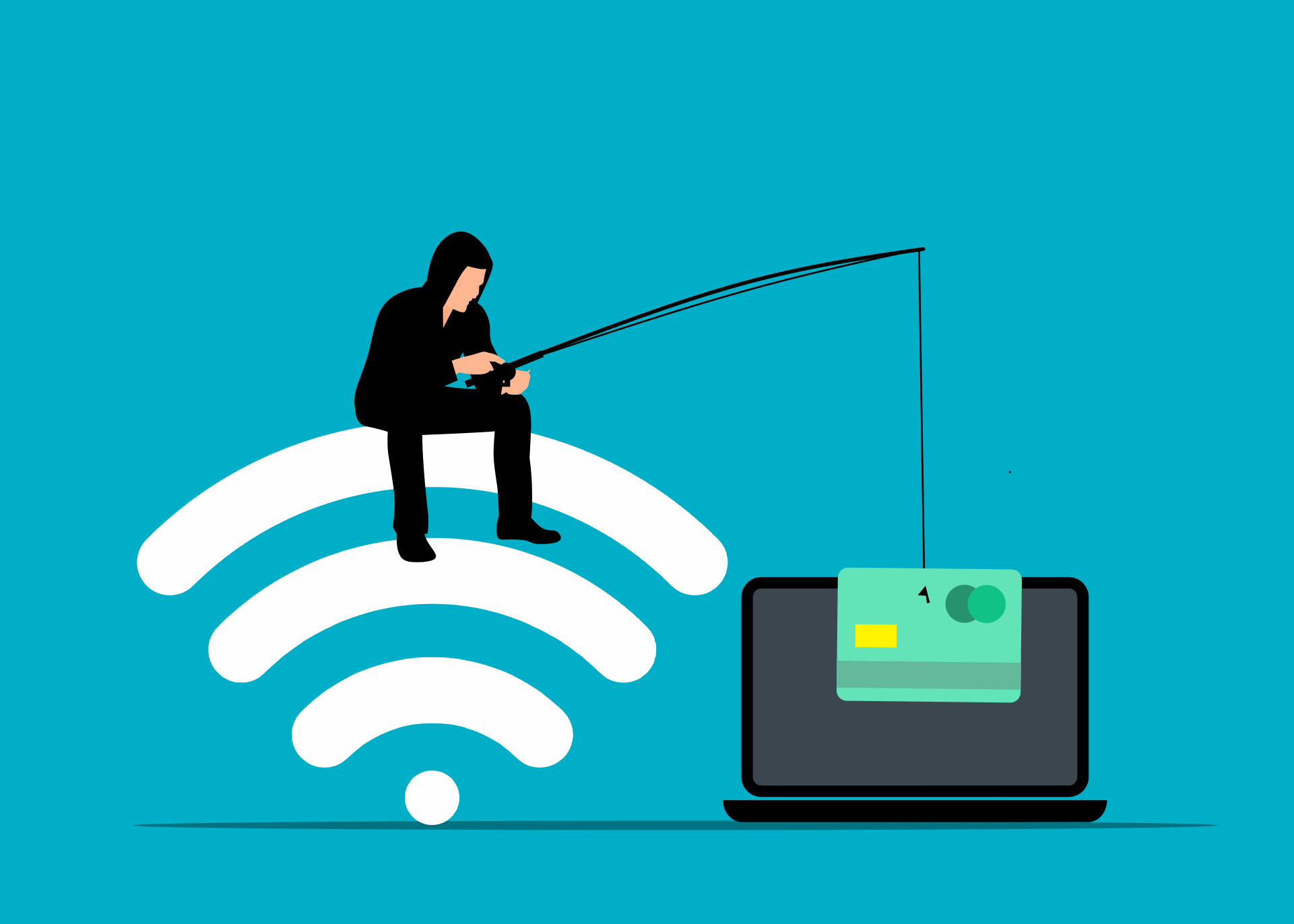
In the digital landscape of 2026, border crossings are faster than ever. From the UK’s fully digital e-visa system to the European Union’s ETIAS launching in the last quarter of 2026 and the US’s ESTA, your travel authorization is now an information document rather than a physical sticker. However, this change has also given rise to a new, sophisticated breed of scammers: “ghost” visa agencies.
These fraudulent organizations operate by creating high-quality “fake” websites that mimic official government portals. They don’t simply charge extra for their services; they often steal biometric data, harvest passport information, or provide completely fake travel authorizations, resulting in immediate detention or refusal at the border.
To protect yourself, it’s essential to carefully monitor the subtle differences between a legitimate government portal and a digital trap. Here’s how to recognize official portals and avoid “ghost” ones.
1. Official URL Structure
The most reliable way to identify a government website is to look at the top-level domain (TLD)—the letters following the final period in the web address. Governments own specific, limited domains that private companies cannot purchase.
Key Global Domain Identifiers:
United Kingdom: Official portals always end in .gov.uk (e.g., www.gov.uk/evisa).
United States: Official portals always end in .gov (e.g., esta.cbp.dhs.gov).
European Union: Official ETIAS and Schengen Area websites use the .europa.eu domain (e.g., travel-europe.europa.eu).
Australia: Look for .gov.au.
Canada: Official websites end in .gc.ca.
“Ghost” Methods: Scammers often use domains like .org, .com, .net, or even tricky hyphenated variants, such as uk-visa-gov.com or esta-application-us.org. If the address doesn’t end with a suffix denoting a national government, it’s a private agency or a scam.
2. Red Flags: “Urgency” and “Guarantees” Traps
Legitimate government portals are neutral and administrative in nature. They provide instructions, checklists of requirements, and standard processing times. They don’t use sales tactics or psychological triggers.
Beware of “100% Approval”
No private agency can guarantee a visa. Immigration decisions are made by government officials and automated matching algorithms based on laws and policies. Any website promising a “guaranteed visa” or “embassy connections” is lying to get you to pay.
Fake Urgency
Ghost agencies often use timers or flashing text: “Only 2 hours left for priority processing!” or “Apply now to avoid the 2026 fee increase!” Government websites don’t use pressure tactics; they simply state the current fee and expected processing time (e.g., “Most ETIAS applications are processed within minutes”).
3. Compare Fees: Test for Commercial Markup
One of the easiest ways to spot an unofficial website is to check the price. Official government fees are publicly available and rarely change without significant advance notice.
Services (2026) Official Government Fee Commission of a “Dummy” Agency
Expected Cost in the UK: £10 £50–120
EU ETIAS: €20 (adjusted for 2026) €60–150
Expected Cost in the US: $21 $80–250
If you are asked to pay a “processing fee,” “service charge,” or “concierge fee” significantly higher than the government-mandated price, you are on a commercial website. While some “intermediaries” are legitimate, they often offer no real benefit for the 500% markup they charge.
4. Visual Cues: Professionalism vs. Persuasion
Government websites in 2026 follow strict accessibility and branding guidelines. They are designed for functionality, while “fake” websites are designed for conversion.
Advertising: Official government portals never host third-party advertising. If you see banners for hotels, car rentals, or great deals on flights on your app page, you’re on a commercial site.
Logos: Fraudulent agencies often use low-quality or slightly altered versions of national coats of arms. For example, they might use a standard crown instead of the official St. Edward’s Crown used by the UK government.
Language: Although artificial intelligence has helped scammers improve their grammar, be on the lookout for odd wording. A government website will say, “Apply now.”On the other end. Scammers use SSL certificates too.
5. What to Do If You’ve Used a Ghost Agency
If you realize you have provided your details to an unofficial or fraudulent site:
Cancel Your Card: If you paid a fee, contact your bank immediately to dispute the charge as “fraudulent” and request a new card.
Monitor Your Identity: You have likely handed over your passport number, address, and DOB. Consider an identity monitoring service, as this data is often sold on the dark web.
Check Your Real Status: Go to the actual official portal (e.g., gov.uk or cbp.gov) and check if an application was ever submitted. Ghost sometimes agencies take your money and your data but never actually file the application, leaving you at risk of being turned away at the airport.
Report the Fraud: In the UK, report the site to Action Fraud. In the US, use the FTC Fraud Report portal.
Summary Checklist
- Does the URL end in .gov.uk, .gov, .gc.ca, or .europa.eu?
- Is the price exactly what the official government factsheet states?
- Is the site free of commercial advertisements and “special offers”?
- Did the site avoid using high-pressure “countdown” timers?
In 2026, your digital identity is your most valuable travel document. By identifying official portals, you ensure that your journey begins with a legitimate authorization rather than a costly lesson in cybercrime.