
Introduction
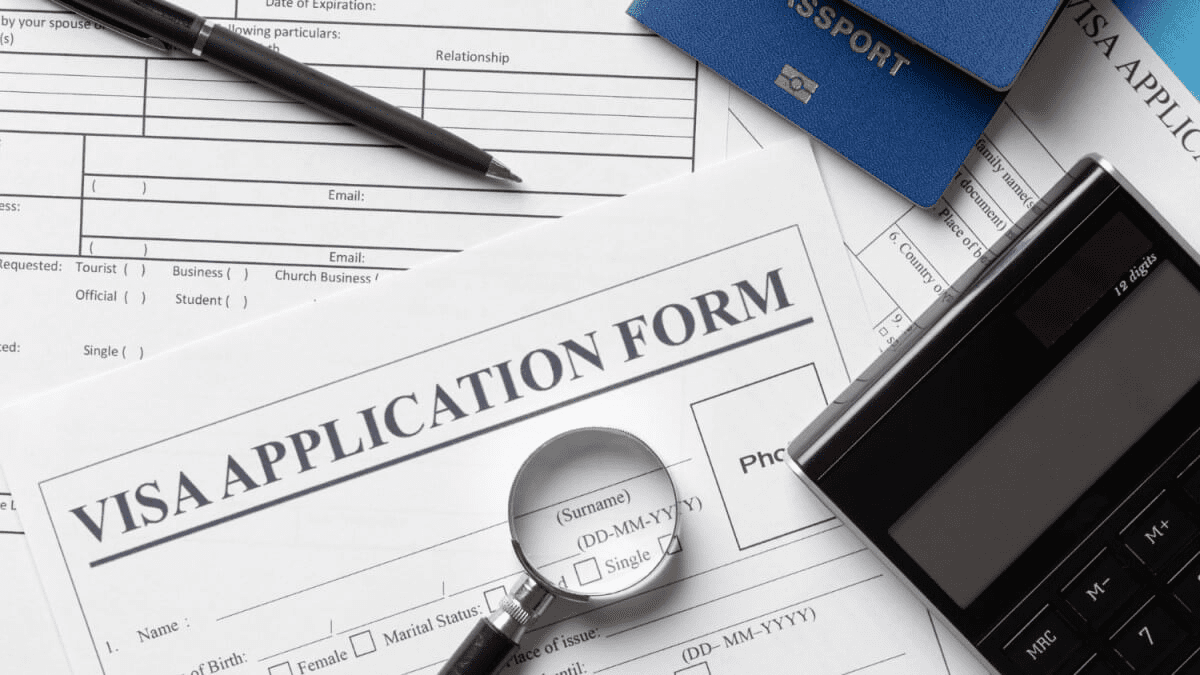
Applying for a visa used to mean visiting an embassy, completing paperwork by hand, and waiting in long queues. Today, many countries offer electronic visas, commonly known as eVisas, allowing eligible travelers to complete much of the application process online.
An eVisa can make international travel planning more convenient because applicants can submit information, upload documents, and receive approval electronically without always visiting a consulate.
However, the process still requires careful attention. Small mistakes, such as uploading the wrong document, entering incorrect passport details, or applying through an unofficial website, can cause delays or rejection.
The requirements for an eVisa are different for every country. Some destinations offer eVisas for tourism, while others provide electronic options for business travel, medical visits, or short stays. Travelers should always verify current rules through the official immigration website of their destination country before applying.
This guide explains how eVisa applications work, what documents are usually required, how to complete the process correctly, and how beginners can avoid common mistakes.
What Is an eVisa?
An electronic visa, or eVisa, is a digital travel authorization issued by a country’s immigration authority.
Instead of receiving a traditional visa sticker or stamp in a passport before travel, approved applicants usually receive confirmation electronically.
Depending on the destination, an eVisa may include:
- Traveler information.
- Passport details.
- Visa category.
- Validity period.
- Entry conditions.
The traveler may need to show the approval document digitally or as a printed copy when traveling.
An eVisa is not the same as automatic entry permission. Immigration officers at the border usually make the final decision on whether a traveler can enter the country.
How Does an eVisa Work?
The general process usually follows these stages:
- Check eligibility.
- Prepare documents.
- Complete an online application.
- Pay required fees.
- Wait for processing.
- Receive approval.
- Present documents during travel.
The exact steps vary depending on the country, visa type, and applicant nationality.
Step 1: Check Whether You Are Eligible for an eVisa
Before starting an application, confirm that your nationality and travel purpose qualify.
Countries may have different rules based on:
- Passport nationality.
- Purpose of travel.
- Length of stay.
- Previous travel history.
- Age requirements.
- Supporting documents.
For example, a country may offer an eVisa for tourism but require a different application process for employment or long-term study.
Always check the official government immigration website before submitting personal information or paying fees.
Step 2: Find the Official eVisa Application Website
One of the most important steps is using the correct website.
Many unofficial websites offer visa assistance services and may charge additional fees. Some may look similar to official government pages.
Before applying:
- Confirm the website belongs to the official government authority.
- Check the website address carefully.
- Avoid clicking unknown visa advertisements.
- Read the terms before paying.
Using an unofficial service does not always mean fraud, but it may increase costs and create confusion.
Step 3: Prepare Required Documents
Most eVisa applications require basic travel documents.
Common requirements include:
Valid Passport
Your passport usually needs:
- Sufficient validity beyond your travel dates.
- Clear personal information pages.
- No damage affecting readability.
Requirements vary by country.
Passport-Sized Photo
Many applications require a digital photo.
Common requirements may include:
- Clear face visibility.
- Plain background.
- Recent photograph.
- Specific file size or format.
Follow the exact instructions provided by the immigration authority.
Travel Details
You may need information such as:
- Arrival date.
- Departure date.
- Accommodation details.
- Flight information.
Do not provide inaccurate information. Travel plans should match the information submitted.
Supporting Documents
Depending on the visa type, applicants may need:
- Invitation letters.
- Proof of accommodation.
- Financial documents.
- Return travel information.
- Business-related documents.
Requirements differ widely between countries.
Step 4: Complete the Online Application Form Carefully
The application form usually asks for personal and travel information.
Common sections include:
- Full name.
- Date of birth.
- Passport number.
- Nationality.
- Contact details.
- Travel purpose.
Accuracy is extremely important.
A common mistake is entering passport details incorrectly, especially:
- Spelling differences.
- Wrong passport numbers.
- Incorrect dates.
Even small errors may cause processing problems.
Before submitting:
- Compare details with your passport.
- Review every section.
- Check uploaded files.
Step 5: Upload Documents Correctly
Digital document requirements often include:
- File format rules.
- Maximum file size.
- Image quality requirements.
Before uploading:
- Make sure documents are readable.
- Avoid blurry images.
- Check that all required pages are included.
- Follow file instructions carefully.
A rejected upload can delay the application.
Step 6: Pay the eVisa Application Fee
Many eVisa applications require a payment before processing begins.
Payment methods may include:
- Credit cards.
- Debit cards.
- Online payment services.
Before paying:
- Confirm the fee amount.
- Check whether fees are refundable.
- Save your payment confirmation.
Visa fees and policies vary by country and visa category.
Step 7: Track Your Application Status
After submission, many systems provide a way to check progress.
Keep:
- Application number.
- Reference code.
- Payment receipt.
- Email confirmation.
Processing times vary.
Some applications may be completed quickly, while others may require additional review.
Avoid making non-refundable travel arrangements based only on expected approval times.
Step 8: Receive and Check Your eVisa Approval
When approved, carefully review the document.
Check:
- Your name.
- Passport number.
- Visa type.
- Validity dates.
- Number of permitted entries.
If you notice an error, contact the relevant immigration authority before traveling.
What Should You Carry When Traveling With an eVisa?
Even though an eVisa is electronic, travelers may need supporting documents.
Consider carrying:
- Passport.
- Printed eVisa approval if recommended.
- Travel itinerary.
- Accommodation details.
- Supporting documents.
Requirements depend on the destination.
Common eVisa Application Mistakes to Avoid
Applying Through Unofficial Websites
Always verify the source before submitting personal information.
Entering Incorrect Passport Information
Passport details must match exactly.
Uploading Poor-Quality Documents
Blurry or incomplete documents can delay processing.
Waiting Until the Last Minute
Processing times are not always predictable.
Apply early enough to handle possible delays.
Ignoring Visa Conditions
Approval does not mean unlimited travel rights.
Check:
- Allowed stay duration.
- Entry limits.
- Travel purpose restrictions.
How Long Does an eVisa Take to Process?
Processing time depends on:
- Country.
- Visa category.
- Application volume.
- Document accuracy.
- Security checks.
Some applications may be processed quickly, while others take longer.
Always check the latest processing information from the official immigration authority.
How Much Does an eVisa Cost?
Costs vary depending on:
- Destination country.
- Visa type.
- Processing speed options.
- Applicant nationality.
Some countries charge a standard fee, while others offer different service levels.
Always confirm the current fee before applying.
Tips for a Smoother eVisa Application
Apply Early
Avoid applying immediately before your planned travel date.
Keep Digital Copies
Store copies of:
- Passport.
- Application confirmation.
- Payment receipt.
- Approved eVisa.
Use Accurate Information
Honest and consistent information helps prevent unnecessary issues.
Check Email Regularly
Authorities may request additional information through email.
Review Entry Rules Again Before Travel
Visa policies can change, so confirm requirements before departure.
Who Should Apply for an eVisa?
An eVisa may be suitable for travelers who:
- Qualify under the destination country’s rules.
- Need a short-term travel visa.
- Prefer completing applications online.
- Have the required documents available.
However, not every traveler qualifies. Some situations may require embassy processing or additional approval.
Safety and Privacy Considerations
When applying online, protect your personal information.
Helpful practices:
- Use official websites.
- Avoid sharing passport details unnecessarily.
- Use secure internet connections.
- Keep application records private.
Your passport information is sensitive personal data, so handle it carefully.
Frequently Asked Questions
Is an eVisa the same as a regular visa?
An eVisa is a type of visa issued electronically. The requirements and rights depend on the issuing country.
Can I apply for an eVisa from home?
Yes. Many eVisa systems allow eligible travelers to complete the application online.
How early should I apply for an eVisa?
Apply as early as practical because processing times can vary.
Can I change my eVisa after approval?
Changes depend on the issuing country’s rules. Some errors may require contacting immigration authorities.
Do children need separate eVisa applications?
Many countries require separate applications for each traveler, including children, but rules vary.
Can an approved eVisa guarantee entry?
No. Border officials usually make the final entry decision when you arrive.
Conclusion
Applying for an eVisa online can make travel preparation easier, but accuracy and careful planning are essential. The process usually involves checking eligibility, preparing documents, completing an online form, paying fees, and reviewing approval details before travel.
The most important steps are using official sources, entering correct information, preparing clear documents, and applying early enough to handle possible delays.
By understanding the process before starting, beginners can avoid common mistakes and complete their eVisa application with greater confidence.